So Emily and I made it to Alaska recently. I had a keynote up there, my third time, but her first. It was winter, so we had the chance to go dog sledding.
You can watch a snippet of our Alaska adventures here:
I will be honest. I went into it wanting speed. Emily… not so much. (Ironically, her nickname is “Speed-E.”)
Once we got moving, I realized something quickly. The sled team moves at about 10 miles an hour. At first, that felt slow. Almost boring.
But as the ride continued, something shifted. I started to settle into the environment. The quiet. The woods. The light coming through the trees. Without really noticing it at first, I slowed down.
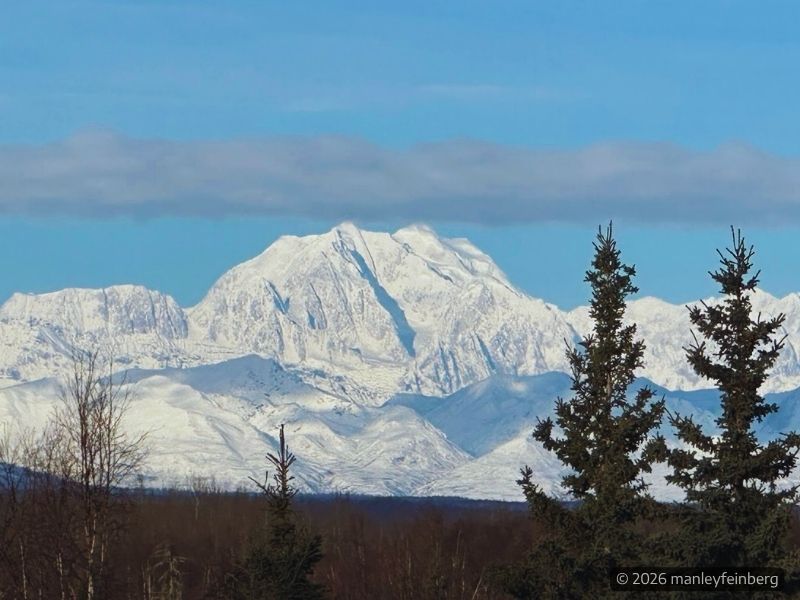
What struck me later is that 10 miles an hour is also the pace of the Iditarod, an ultra-endurance race that runs nonstop for days across more than a thousand miles.
That is not a slow pace. That is a sustainable one.
The Pattern I Keep Seeing
That experience reminded me of something I have seen repeatedly over the years, especially in the mountains.
Most of the progress I have made has not come from going fast. Whether it is big wall routes in Yosemite, climbs in the Himalayas and the Aksu Valley in Kyrgyzstan, or alpine and ice routes, success rarely comes from bursts of speed. It comes from maintaining a pace you can hold over time.
There are moments when speed matters. Storms roll in. Conditions change. You have to move quickly and decisively. But those situations are the exception, not the rule.
Most of the time, progress is built in what my coach Mark LeBlanc calls “second gear.” It is a steady, consistent pace that allows you to keep moving forward without burning out.
The Trap Most People Fall Into
In both leadership and life, we are surrounded by pressure to move faster. Faster decisions, faster growth, faster results. Over time, that pressure begins to shape how we operate.

We push harder. We speed up. We try to do more. And for certain moments in life and business, we must move fast and be decisive.
AND, when you step back and look at it, if you live in that mode too much, there is a hidden cost to that approach:
- You burn energy faster than you can recover it
- Your decision-making starts to slip
- You lose consistency in how you show up
- And eventually, you hit a wall
What looks like progress in the short term often becomes unsustainable over time. When something is not sustainable, it does not last.
What Actually Builds Momentum
What I have learned, sometimes the hard way, is that slowing down does not kill momentum. It is what builds it.
When you operate at a pace you can sustain, a few important things start to happen:
- Consistency improves. You show up day after day without needing to reset
- Clarity increases. You are not rushing decisions or reacting impulsively
- Energy stabilizes. You are able to maintain focus without burning out
- Progress compounds. Small, steady gains begin to add up over time
Imagine walking into your home at the end of the day more fulfilled than frustrated. That is what I want for you- and me!
That is how real momentum works. It is built in rhythm.
The Real Question
So here is what I want you to think about:
Where in your life are you pushing at a pace that is not sustainable?
And just as important, where might slowing down actually help you move forward?
Because sometimes the breakthrough you are looking for does not come from doing more. It comes from adjusting your pace.
The Vertical Lesson
You do not need to go faster.
You need to find a pace you can sustain.
Because when you do, momentum takes care of the rest.
Slow down. Build momentum.
On Belay,
Manley